Building Your Dream Home: Construction Loans & Progress Payments Explained
A quick heads-up before we dive in: This article is strictly for general informational purposes and does not constitute financial, legal, or tax advice. Every situation is entirely unique, and bank lending policies change frequently. Before making any decisions about your property journey, it is highly recommended that you seek independent advice from a qualified financial adviser.
When you want a brand-new home, you generally have two choices: buy a Turnkey package off-the-plan, or buy a section of land and build it yourself using a Construction Loan.
With a turnkey property, you pay a 10% deposit upfront and literally do nothing until the house is finished. It is easy, hands-off, and requires very little cash flow management.
So why would anyone choose to go through the extra effort of a Construction Loan?
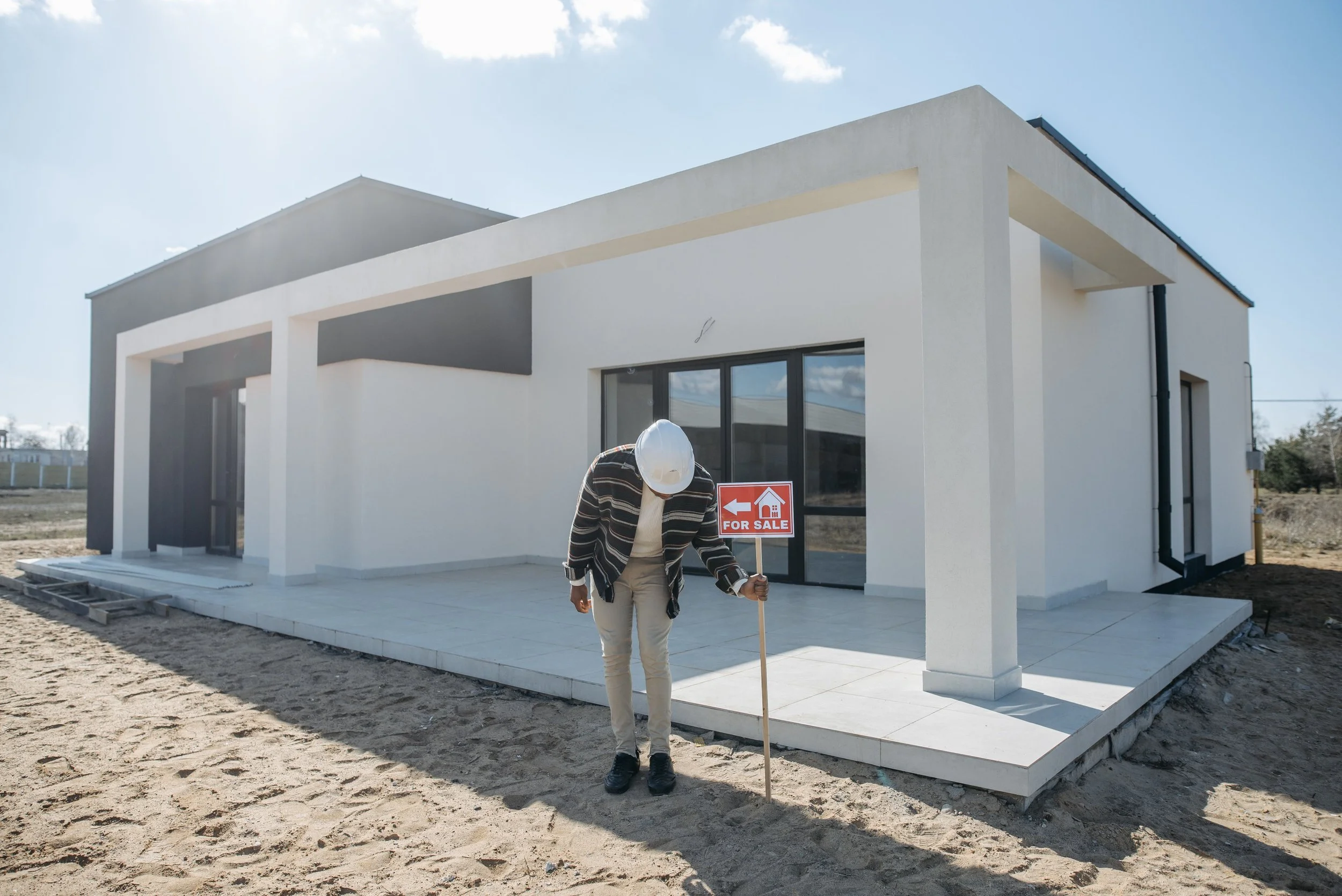
Why Choose a Construction Loan Over Turnkey?
While managing your own build requires more involvement, it offers two massive advantages that turnkey packages simply cannot match:
1. Total Control and Customisation Turnkey homes are mostly cookie-cutter because the developer makes the decisions to maximise their profit margins. When you use a construction loan, you are the boss. The smartest way to start is to find a piece of land and work directly with a builder to design a home that fits it perfectly. They will walk you through crucial decisions like positioning the house for optimal sunlight, maximising useful features, and customising the layout to exactly how your family wants to live.
2. Instant Equity Property developers don't build turnkey homes for charity; they bake their profit margin and holding costs into the final sticker price. When you build the house yourself (by paying for the land and the progress invoices directly), you cut out the developer's premium. This often results in the finished home being worth more on the open market than what it actually cost you to build. You are effectively creating instant equity.
Fixed-Price Contracts Aren't Always "Fixed"
Before the bank agrees to fund your build, they will require you to sign a Fixed-Price Building Contract (FPBC). However, "fixed" is sometimes a generous term.
Most contracts contain PC Sums (Provisional Cost Sums). A PC Sum is an estimated allowance for a cost that the builder can't guarantee upfront.
For example, a builder might put a PC Sum of $10,000 for earthworks. But when the diggers arrive, they hit solid rock, and the actual cost skyrockets to $30,000.
Here is the trap: The bank bases your loan strictly on the original contract price. They will not automatically cover that extra $20,000. As the borrower, you have to find that cash out of your own pocket. This is exactly why, as your mortgage adviser, we review your building contract before you sign it—to identify these PC Sums and ensure you have the cash buffers in place to survive them.
The Construction Loan Timeline
Unlike a normal mortgage, a construction loan isn't handed over in one giant lump sum. It is released in stages (called progress payments) as the house is built.
Use the interactive timeline below to see exactly how your money flows from the moment you find your land to the day you get your keys.
The Construction Timeline
The step-by-step process of building a home with progress payments.
Find a suitable piece of land and work with a builder to design a home that fits it. They will walk you through crucial decisions like positioning the house for optimal sunlight, maximising useful features, and customising the home to exactly how you want to live.
Once the design is locked in, you sign a Fixed-Price Building Contract (FPBC) and the builder submits the plans for Council Consent. We submit the contract and plans to the bank, who will require a Registered Valuation "as if complete" to ensure the finished property will be worth the total cost of the project.
The bank releases the funds for the land settlement. Your mortgage officially starts right now. This land portion of your loan can be locked into a standard Fixed Interest Rate and is usually set up to pay Principal and Interest.
The builder requires an initial deposit as per the contract to order materials and schedule contractors. The bank usually requires you to pay this deposit from your own cash or equity before they will release any of the bank's money for the build.
We generally recommend negotiating this deposit down to $10,000 – $20,000. This is usually plenty for the builder, and it makes the process significantly smoother for bank lending, especially if you have less than a 20% deposit.
The build begins. As the builder hits specific milestones (Slab Down, Framing, Roof On), they will send you an invoice. You send this invoice to us, and we authorise the bank to release the funds directly to the builder. Note: The bank will require proof of Builder's Risk (Contract Works) Insurance to protect the site before they pay the first invoice.
Unlike the land loan, your construction funds are generally drawn down on a Floating Interest Rate and set to Interest-Only.
You only pay interest on the exact amount drawn down so far. However, every time a new progress payment is released to the builder, your drawn balance increases, meaning your monthly interest payment increases as the house nears completion. You must budget for these snowballing payments on top of your current rent.
If you decide to upgrade the kitchen benchtops mid-build, or if the council demands an unexpected earthworks change, these are "Variations." Because the bank's loan is strictly based on the original fixed contract, you will usually have to pay for any variations out of your own pocket.
The house is finished! The council issues the Code Compliance Certificate (CCC). Crucial step: Because the Builder's Risk insurance ends when the house is completed, you must arrange standard House Insurance immediately. Once the bank sees the CCC and your insurance policy, they authorise the final payment.
The builder hands over the keys! Now that the house is complete, we can finally convert the floating build portion of your loan to a standard, lower Fixed Interest Rate alongside your land loan.
Before you authorise that final payment, get an independent builder's report done. We have seen new builds, signed off by the council, that have been condemned 18 months later. An independent inspection can save years of legal wrangling for around $600.
You should also conduct a thorough walkthrough with your builder to note any cosmetic defects or "snags." You have the most leverage to get things fixed before handing over that final cheque.
The Cashflow Challenge: Renting and Building At The Same Time!
The biggest adjustment when managing a construction loan is your week-to-week cash flow, because you are effectively splitting your mortgage into two different structures:
1. The Land Loan (Fixed, Principal & Interest) When you settle on the land, your mortgage officially starts. Because the land is a finished, tangible asset, this portion of your loan can usually be locked into a lower Fixed Interest Rate and is set up to pay Principal and Interest.
2. The Build Loan (Floating, Interest-Only) The money used to actually build the house is drawn down on a Floating Interest Rate and is set to Interest-Only. You only pay interest on the exact amount of money the bank has released to the builder so far.
However, every time a new milestone is reached (e.g., the framing goes up), the bank releases another progress payment. Your drawn loan balance increases, meaning your monthly interest payment "snowballs" larger and larger every month until the house is finished.
If you are currently renting, you must budget for these mortgage payments on top of your rent and normal living costs for the 6 to 12 months it usually takes to build.
Use our forecaster below to calculate exactly how much you need to budget for each stage of your build.
Construction Cashflow Forecaster
Please rotate your phone sideways (landscape mode) to view the week-by-week cashflow forecaster.
| Build Stage | Invoice Amount | Your Cash Used | Bank Funds Drawn | Total Loan Balance | Weekly Budget required |
|---|
Crucial Final Steps: Insurance & Inspections
As you near the finish line, there are a few administrative hurdles you must clear before the bank will release the final payment and hand over the keys:
The Insurance Switch: During the build, the site is protected by Builder's Risk (Contract Works) Insurance. However, the moment the council issues the Code Compliance Certificate (CCC), that insurance ends. You must immediately arrange standard House Insurance and send the certificate to the bank before they will authorize the final payment.
The Independent Builder's Report: Before you authorize that final cheque, we highly recommend paying roughly $600 for an independent builder's report. We have seen new builds, signed off by the council, that have been condemned 18 months later. You have the most leverage to force the developer to fix defects before you hand over the final payment.
Building a home is one of the most rewarding financial moves you can make, but the cash flow and contract mechanics require expert navigation. We ensure your buffers are in place, your contracts are safe, and your progress payments flow without a hitch.
Book a Free Strategy Session with a Home Loan Factory Adviser to Discuss Your Build Plans