The First-Home Buyer’s Guide to Dealing with Real Estate Agents
A quick heads-up before we dive in: This article is strictly for general informational purposes and does not constitute financial, legal, or tax advice. Every situation is entirely unique, and bank lending policies change frequently. Before making any decisions about your property journey, it is highly recommended that you seek independent advice from a qualified financial adviser.
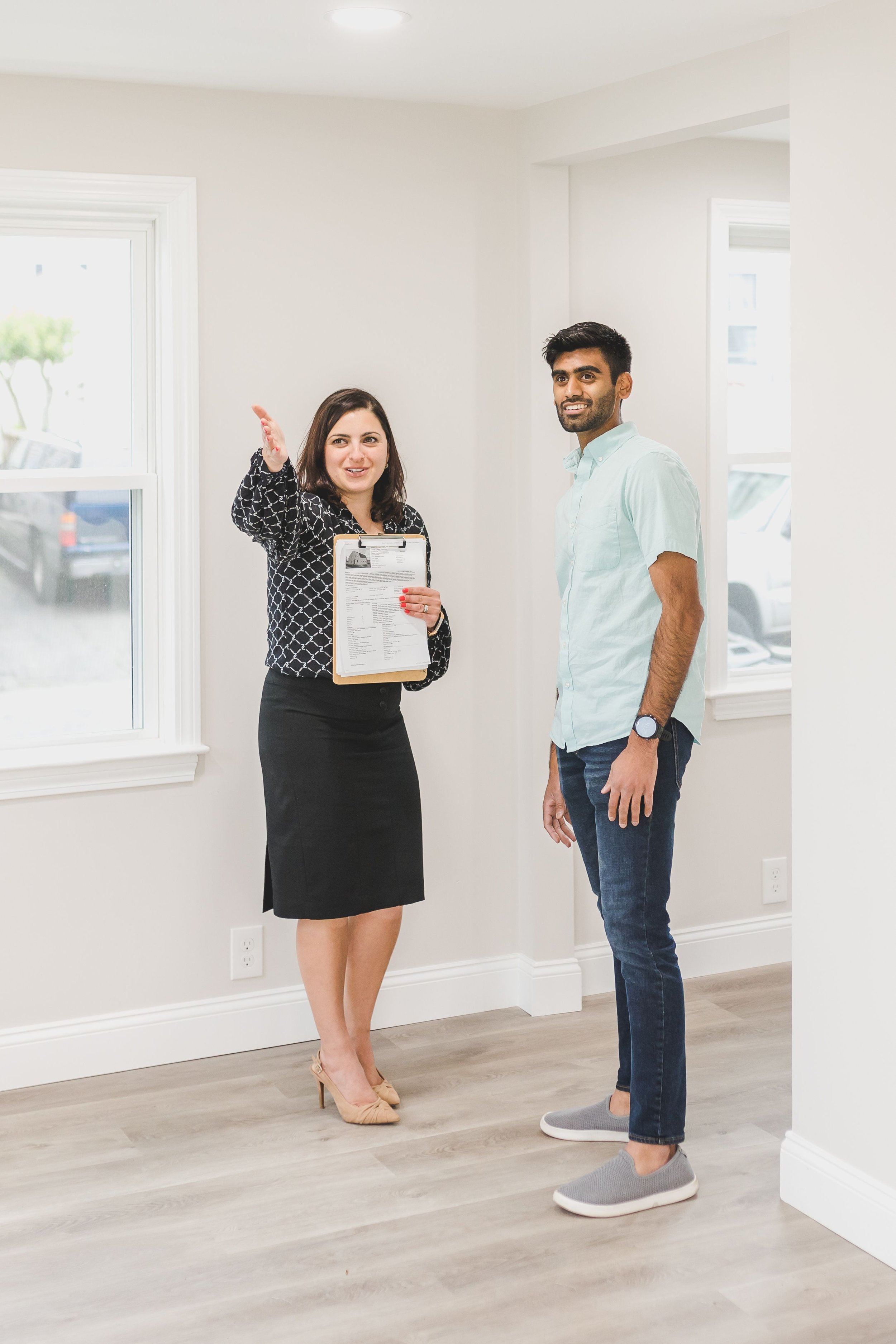
When you start hunting for your first home, your weekends suddenly become a blur of open homes, glossy flyers, and friendly real estate agents standing at the front door with a clipboard.
Because agents are typically incredibly personable, helpful, and eager to chat, it is very easy to forget the underlying dynamics of the real estate transaction. It is a common mistake for first-home buyers to treat the agent like a trusted property guide who is there to help them get a good deal.
To navigate the property market safely, you need to understand exactly how the game is played, what you should ask, and what you should keep entirely to yourself.
The Golden Rule: Who Does the Agent Work For?
The most important thing you need to know about real estate agents is that they are not there to find you a bargain. The agent works exclusively for the vendor (the seller).
This is not a criticism of real estate agents; it is simply a legal fact. Under New Zealand law, an agent has a strict fiduciary duty to the person paying their commission. Their entire job—and professional obligation—is to extract the highest possible purchase price and the best possible terms for the seller.
Think of it like a courtroom. The real estate agent is the defence lawyer for the vendor. They are friendly, professional, and helpful, but they are playing for the other team. (This is exactly why you need an independent mortgage adviser and your solicitor in your corner, playing for your team).
Once you understand this dynamic, you can start treating your interactions with agents as a strategic exchange of information.
Questions You SHOULD Ask the Agent
While an agent represents the seller, they are also bound by strict disclosure laws. If they know a property has a major flaw, they cannot legally lie to you about it. Your goal at an open home is to gather factual, unemotional data.
"Is the vendor looking to sell quickly or for a longer settlement?" This is a fantastic strategic question. Sometimes a vendor has already bought another house and is desperate for a fast 3-week settlement. Other times, they haven't found a place to go yet and want a 12-week settlement. If you can offer a settlement date that perfectly matches their timeline, your offer instantly becomes much more attractive, sometimes even beating a slightly higher price.
"Are there any unconsented works on the property?" Many older homes have had walls moved or decks built without council sign-off. This can cause massive headaches for your bank approval, so ask it upfront.
"Has the vendor provided a builder's report or LIM?" Sometimes vendors supply these to make selling easier. If they do, read them carefully (though it is often still wise to get your own).
"Is there anything else I should know about this property before putting in an offer?" This is the ultimate catch-all question. Under REA disclosure rules, asking this direct question forces the agent to reveal any known material facts or issues that they might not have actively volunteered during the open home.
Questions You SHOULD NOT Ask (And What to Keep Secret)
Because the agent’s job is to get the highest price, giving them your personal financial information is like handing the opposing team your playbook. Keep your cards strictly to your chest.
Never say: "Our maximum budget is $800,000." If you tell an agent your ceiling, the house will magically cost exactly that much. If they ask for your budget, simply say, "We are looking at properties in this area and have our finance sorted."
Never ask: "What do you think the vendor will actually accept?" The agent will never give you the true bottom line. They will give you a number that anchors your expectations high. If the property doesn't have a listed price, don't rely on the agent's hints—check out our guide on how to value a property when there is no asking price to establish your own baseline.
Never reveal your desperation. If your rental lease ends in three weeks, or if your partner is eight months pregnant and you desperately need a house, do not tell the agent. If they know you are under time pressure, they know you will likely pay a premium to avoid missing out.
Translating "Agent Speak" and The Multiple Offer Game
Agents are marketing professionals, which means they are experts at creating FOMO (Fear Of Missing Out) to encourage buyers to act quickly.
When an agent says, "We’ve had a huge amount of interest and expect multiple offers," you need to know the legal difference between "interest" and an actual offer.
Under the Real Estate Authority rules, an agent must be honest if you ask them if there are actual written offers on the table. They cannot legally invent a phantom buyer who has submitted a contract. However, "interest" or "potential offers" is completely subjective. An agent can legally hype up the fact that thirty groups came through the open home, even if none of them have the budget to buy it.
If they apply the pressure, ask directly: "Are there currently any signed, written offers on the table?" If the answer is no, stay calm and stick to your own timeline.
Handling the Monday Follow-Up Call
If you sign in at an open home on a Sunday, your phone will almost certainly ring on Monday morning. Agents follow up to gauge your interest and pass feedback to the vendor.
First-home buyers often feel pressured by this call. You do not need to be rude, but you also do not need to show your hand. Keep it brief and polite.
If you don't like the house: "Thanks for following up, but it’s not quite right for us. We are looking for something with a bigger garden."
If you do like the house: "We liked it and we are currently running the numbers with our mortgage adviser. We will let you know if we decide to take it further."
Don't Walk into a Negotiation Alone
When it comes time to actually put a price on paper, you do not have to do it alone. Before you submit an offer to the real estate agent, send the property file to us.
We will check the property against the bank’s lending criteria, pull the background data to help you establish a fair price, and alongside you solicitor, ensure your Sale and Purchase Agreement has the exact safety clauses you need to protect your deposit.
Ready to start house hunting safely? Let’s get your finance sorted.