The Defective Cross-Lease: Is It a Total Dealbreaker or a Simple Fix?
A quick heads-up before we dive in: This article is strictly for general informational purposes and does not constitute financial, legal, or tax advice. Every situation is entirely unique, and bank lending policies change frequently. Before making any decisions about your property journey, it is highly recommended that you seek independent advice from a qualified financial adviser.
Getting an email from your solicitor with the words “defective title” is enough to make any first-home buyer’s heart drop into their stomach.
When you are looking at affordable 1970s or 1980s units in New Zealand, the chances are exceptionally high that you will be dealing with a cross-lease property. And because Kiwis love a weekend DIY project, many of these properties come with a hidden legal hiccup: a physical structure that does not perfectly match the drawing on the property's title (known as the Flats Plan).
Before panic sets in, you need to understand one crucial distinction. When a solicitor says a title is 'defective,' they do not mean the house is physically unsound or about to fall down. They simply mean the paperwork no longer matches the physical reality of the section. It is a legal mismatch, not a structural crisis.
Here is a practical look at how these defects happen, how to spot them yourself, and the clever ways they get sorted out without ruining your settlement.
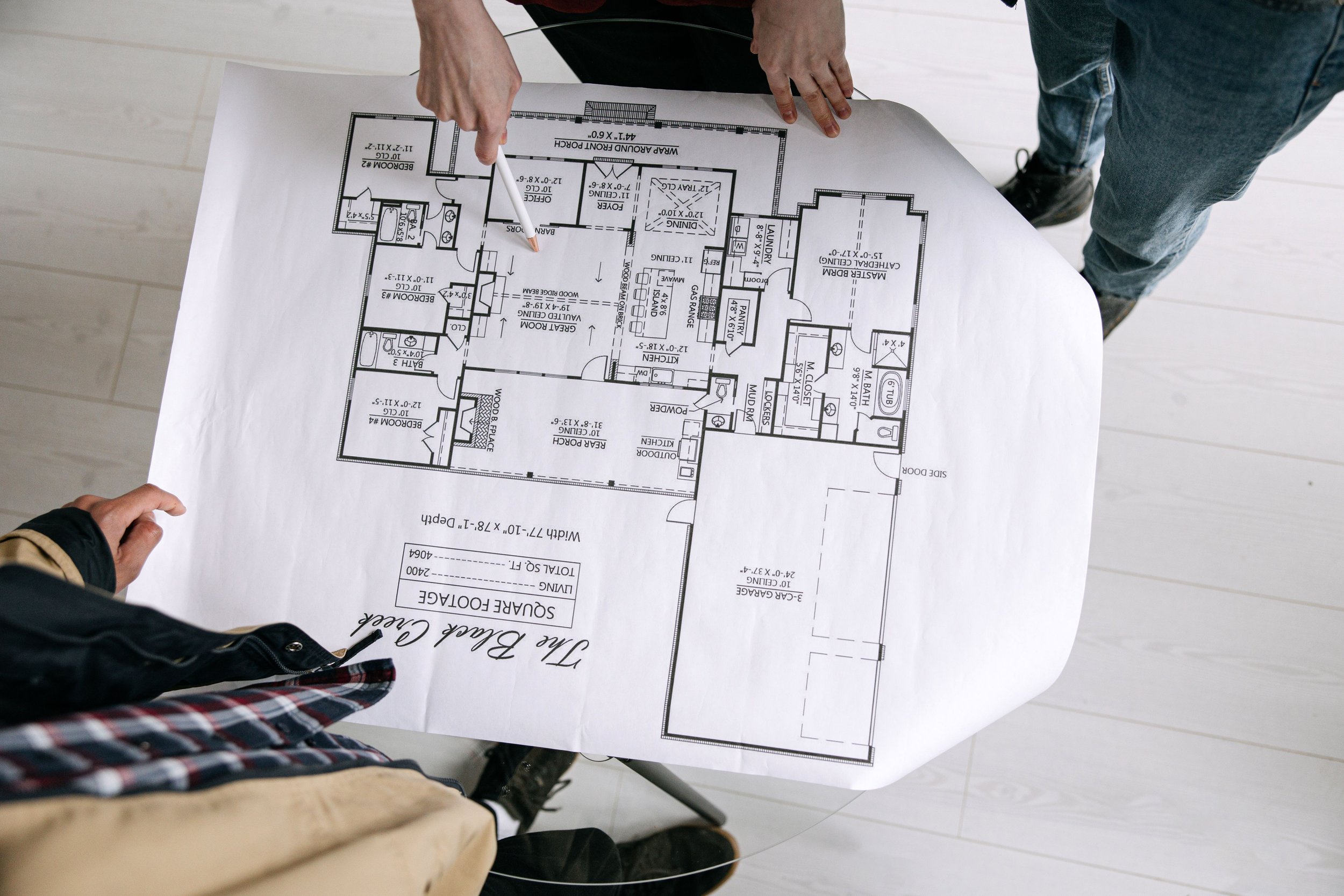
The "Bird's-Eye View" Check
You do not need a law degree to spot a potential title defect; you just need to know what to look for at the open home.
When you are walking through a property, ask the real estate agent for a copy of the title. Scroll down to the 'Flats Plan'—this is a literal bird's-eye drawing of the house. Trace the outline of the house with your finger.
If your finger traces a perfect rectangle on the paper, but you are physically standing inside a protruded, glass-enclosed conservatory, you know immediately there is a mismatch.
Once you spot a mismatch, use the troubleshooter below to see how serious the issue actually is.
Cross-Lease Structure Troubleshooter
Has a previous owner added a deck, shed, or garage? Answer these quick questions to see if it causes a defective title or simply requires neighbourly sign-off.
Is the new structure built on shared "common property"?
Think of areas shared jointly by both properties, such as a common driveway, shared turning bay, or an undivided front lawn.
Is the structure physically attached to the main house?
This includes structural additions like a built-on conservatory, an extended room footprint, or a porch structurally fixed to the house framework.
Is the attached structure fully enclosed?
Does it have solid external walls and a roof (like a conservatory, or an old open carport that has had solid walls and a garage door installed)?
The Cross-Lease is Technically Defective
Because this addition is fully enclosed or encroaches onto shared property, it alters the formal legal footprint of the house. This means the legal drawing attached to the title (the Flats Plan) is no longer accurate.
First: Check for the "False Alarm"
Before you assume a title is legally defective, it is worth doing a bit of detective work. Quite often, a solicitor will flag a property as potentially defective because there is a deck, carport, or extension that is not clearly detailed on the structural drawing.
However, this often turns out to be a false alarm.
If you or the vendor request a full copy of the original building plans from the local council, you will frequently find the structure was already fully accounted for in the original sign-off. What looked like an unmapped addition on a faded title drawing was actually legally approved from day one. Always check the council files before assuming the worst.
Is a Defective Cross-Lease Actually a Major Issue?
In the vast majority of cases, no. It is a very common market anomaly that banks and brokers handle every single week.
A minor variation—like a garden shed or a small deck sitting slightly outside the original lines—is generally a minor issue that won't derail your mortgage approval. It usually only escalates into a genuine headache if it hits one of two specific scenarios:
The Double-Whammy: The vendor has built a significant extension without the council's building consent and left it off the Flats Plan. Now you need to get structural council approval (a Certificate of Acceptance) as well as a title fix.
The Prickly Neighbour: On a cross-lease, you jointly own the land with the other title holders. If the person living in Flat 2 is incredibly difficult, hostile, or completely unresponsive, getting any paperwork signed off becomes a waiting game.
The Clever Ways to Fix It Quickly
First-home buyers often assume that fixing a title requires hiring surveyors, spending $5,000, and waiting months for Land Information New Zealand (LINZ) to issue new documents. While that is the formal route, real-world solutions are often far quicker and simpler.
1. The Neighbourly Confirmation
If the issue is something minor like a freestanding garden shed, resolving it doesn't have to take months. Often, it is as simple as getting a formal written confirmation or signed consent from the other cross-lease title holder stating that they are perfectly happy with the structure. Once the bank and your solicitor see that the neighbour is on board, the risk evaporates.
2. The "Garage Door Trick"
Kiwis frequently convert open carports into enclosed garages by slapping a garage door on the front. Because an enclosed garage changes the legal footprint and nature of the structure on the Flats Plan, this technically creates a defect.
The fast, pragmatic solution? Have the vendor literally unscrew and remove the garage door before settlement. By reverting the structure back into an open, legal carport, it instantly matches the original Flats Plan again. (Always have your solicitor confirm exactly what constitutes a carport under your specific lease before doing this).
How It Impacts Your Lending
Banks look at property defects through the lens of resale risk. If the defect is minor and the neighbour is cooperative, the bank will typically pass the file through for approval without a second thought.
If the bank's underwriters do express hesitation over a minor structural mismatch, we can usually satisfy them by ensuring your solicitor inserts a clear condition into the contract. This forces the vendor to either secure the neighbour’s formal written sign-off or remedy the physical structure before you hand over a single dollar on settlement day.
The Buyer’s Strategy
If you walk around an open home and notice a structural addition that isn't on the plan, do not walk away from the house. Instead, use it as a tool to negotiate.
Work with Home Loan Factory and your solicitor to draft an offer that protects you. By requiring the vendor to clear up any genuine council or neighbour queries before settlement, you ensure you inherit a clean asset—while letting the seller do all the legwork.
Important Regulatory Disclaimer: This guide is intended for general educational purposes and does not constitute personalised financial or legal advice. While Home Loan Factory will manage your bank lending strategy and advocate for your loan approval, the final interpretation and resolution of any property title defects must always be confirmed by your registered solicitor.
Found a property but worried the paperwork doesn't line up? Let's take a look at it together.