Freehold, Cross-Lease, Leasehold... What Do They Actually Mean?
Disclaimer: The below guide is general in nature and do seek individual financial advice to see how this applies to your situation. Our experienced advisers are on hand to help at no cost to you (T’s and C’s apply)
When you’re scrolling through property listings, it’s easy to focus entirely on the photos of the newly renovated kitchen and completely miss the fine print at the bottom.
But in New Zealand, the type of property ownership you are looking at can completely change how you use the home, what your ongoing costs might be, and how the banks view your mortgage application.
Here is a plain-English guide to the most common property types in NZ, and a few things you might want to watch out for with each one.
(Quick tip: The property type will always be stated on the listing and the Sale & Purchase Agreement. If you aren't sure, just ask the estate agent!)
Freehold (Fee Simple)
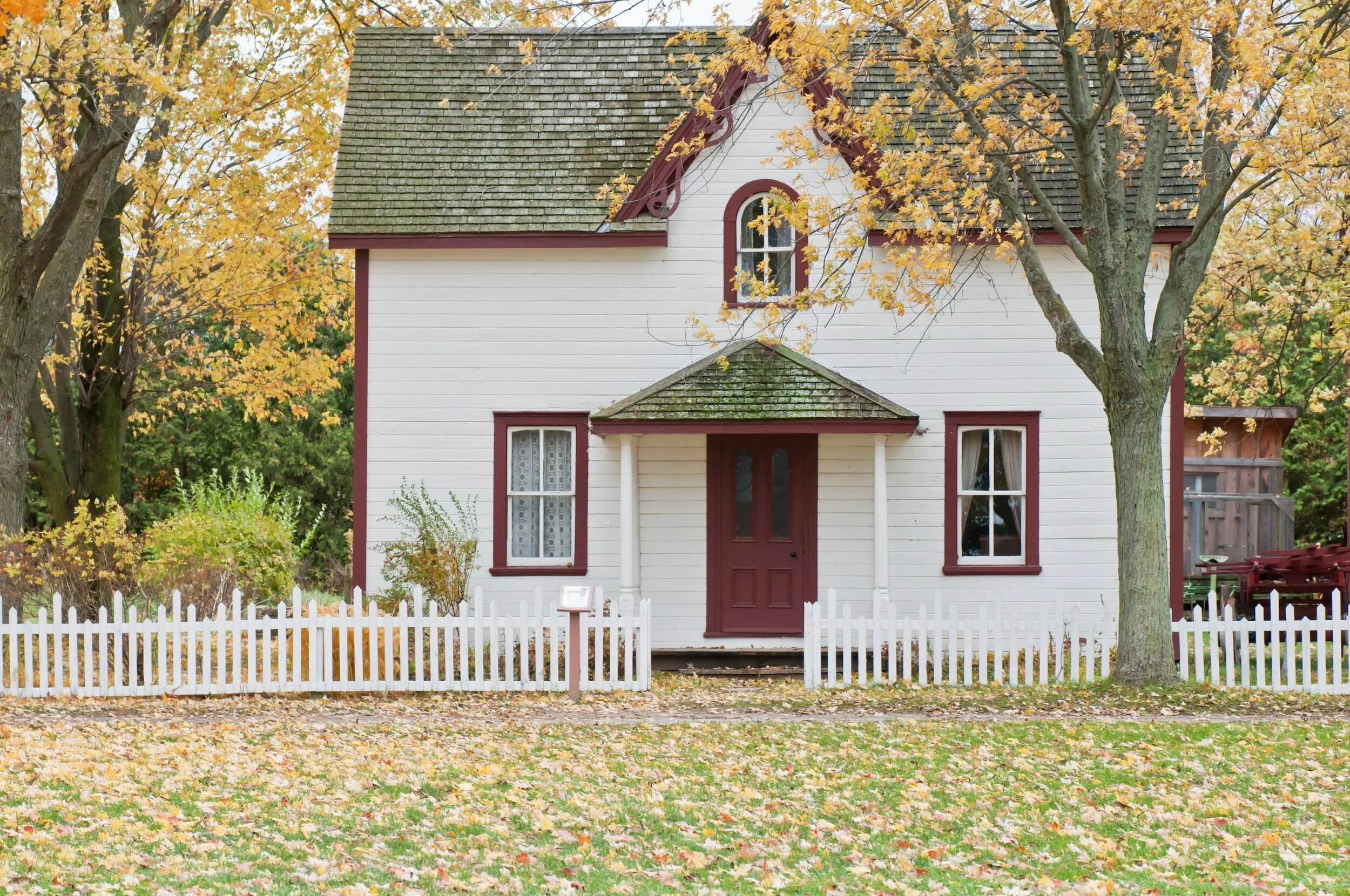
Freehold is generally considered the gold standard of property ownership in New Zealand. When you buy a freehold property, you own the building and the land it sits on outright.
This type of ownership usually gives you the most freedom. Want to paint the house bright pink, add a deck, or get a dog? As long as you play by the local council rules, you are generally the master of your own domain, with minimal interference from neighbours.
What to watch out for: While freehold gives you the most control, it’s still crucial to have your solicitor check the title. There could be "covenants" (rules about what you can build) or "easements" (rights for others to use a part of your land, like a shared driveway or council pipes).
Cross-Lease
Cross-leases and leaseholds sound similar, but they are incredibly different! A cross-lease is very common (especially with 1970s and 1980s brick-and-tile homes) and is generally viewed by banks as being almost as secure as freehold.
With a cross-lease, you technically share the ownership of a larger block of land with your neighbours. You then grant each other a "lease" (often for 999 years) to live in your specific houses.
To keep things peaceful, a cross-lease divides the land into areas. You will usually have an "exclusive use" area (your private garden) and a "common" area (like a shared driveway). Don't worry—your neighbour can't just set up a deckchair on your exclusive lawn!
What to watch out for: The biggest quirk with a cross-lease is the "Flats Plan," which is a literal drawing of the footprint of your house on the title. If you, or a previous owner, have altered the footprint of the house (like adding a conservatory or converting a garage) without updating the Flats Plan and getting neighbour consent, the title could be considered "defective." This is something your solicitor will always want to double-check.
Stratum in Freehold (Unit Titles)
If you are looking at an apartment, a modern townhouse, or a terraced home, you will likely be looking at a Unit Title.
With this type, you own your specific unit (your "stratum"), but you share the ownership of the overall land and the common areas (like the roof, the lifts, the lobbies, and the driveway) with all the other unit owners in the complex.
Because you share the building, you share the maintenance costs. This is managed through a Body Corporate.
What to watch out for: You will need to pay an annual Body Corporate fee. This usually covers the building insurance (but rarely your contents insurance or local council rates) and the general upkeep of shared areas. These fees can range from $2,000 to over $12,000 a year, depending on whether the building has expensive amenities like a swimming pool or a lift.
From a lending perspective, banks factor this fee into your expenses, which could potentially reduce the total amount you can borrow.
Leasehold
If you see a property online that looks suspiciously cheap for its location, check the fine print—it is likely a leasehold.
With a leasehold property, you own the house, but you do not own the land underneath it. Instead, you are essentially renting the land from a third party (like an iwi, a local council, or a private company). You will have to pay them "ground rent" on top of your mortgage and rates.
What to watch out for: Ground rent is usually reviewed every few years (often every 7 to 21 years, depending on the contract). If the value of the land has gone up, your ground rent could increase massively. Because of this uncertainty, banks are often very cautious about lending on leasehold properties, and they may require a much larger deposit (sometimes up to 50%). It could be incredibly valuable to speak with your financial adviser before making an offer on a leasehold.
Stratum in Leasehold
This is the apartment version of a leasehold. You own the apartment, but the Body Corporate doesn't own the land the apartment building sits on.
This means you are paying both a Body Corporate fee for the building maintenance AND ground rent for the land. Much like standard leaseholds, these can be tricky to finance and sell in the future, so getting professional advice early on is highly recommended.
Māori Land
Māori land is a unique and important category in New Zealand, representing land that has specific cultural, historical, and ancestral significance.
Ownership and governance structures here are completely distinct from standard property ownership models, often involving multiple owners through whānau or hapū trusts.
What to watch out for: Because the land cannot generally be sold or used as standard security in the event of a mortgage default, traditional home loans usually don't apply here. However, there are specific schemes available (like the Kāinga Whenua loan scheme) designed to help people build or buy on multiple-owned Māori land.