Can You Buy an Investment Property with a 10% Deposit in NZ? (Yes, Here’s How)
A quick heads-up before we dive in: This article is strictly for general informational purposes and does not constitute financial, legal, or tax advice. Every situation is entirely unique, and bank lending policies change frequently. Before making any decisions about your property journey, it is highly recommended that you seek independent advice from a qualified financial adviser.
If you have been thinking about buying an investment property to build your long-term wealth, a quick Google search might have left you feeling completely deflated.
If you look at the standard Reserve Bank rules for property investors in New Zealand, the headline is usually pretty intimidating. To buy a standard, existing house as a rental, banks generally require you to have a significantly larger deposit than if you were buying a home to live in. For most hardworking Kiwis, having hundreds of thousands of dollars tied up just to get a foot in the door feels like an impossible hurdle.
But there is a widely used, completely legitimate "cheat code" to property investing in New Zealand, and it could allow you to secure an investment property with just a 10% deposit.
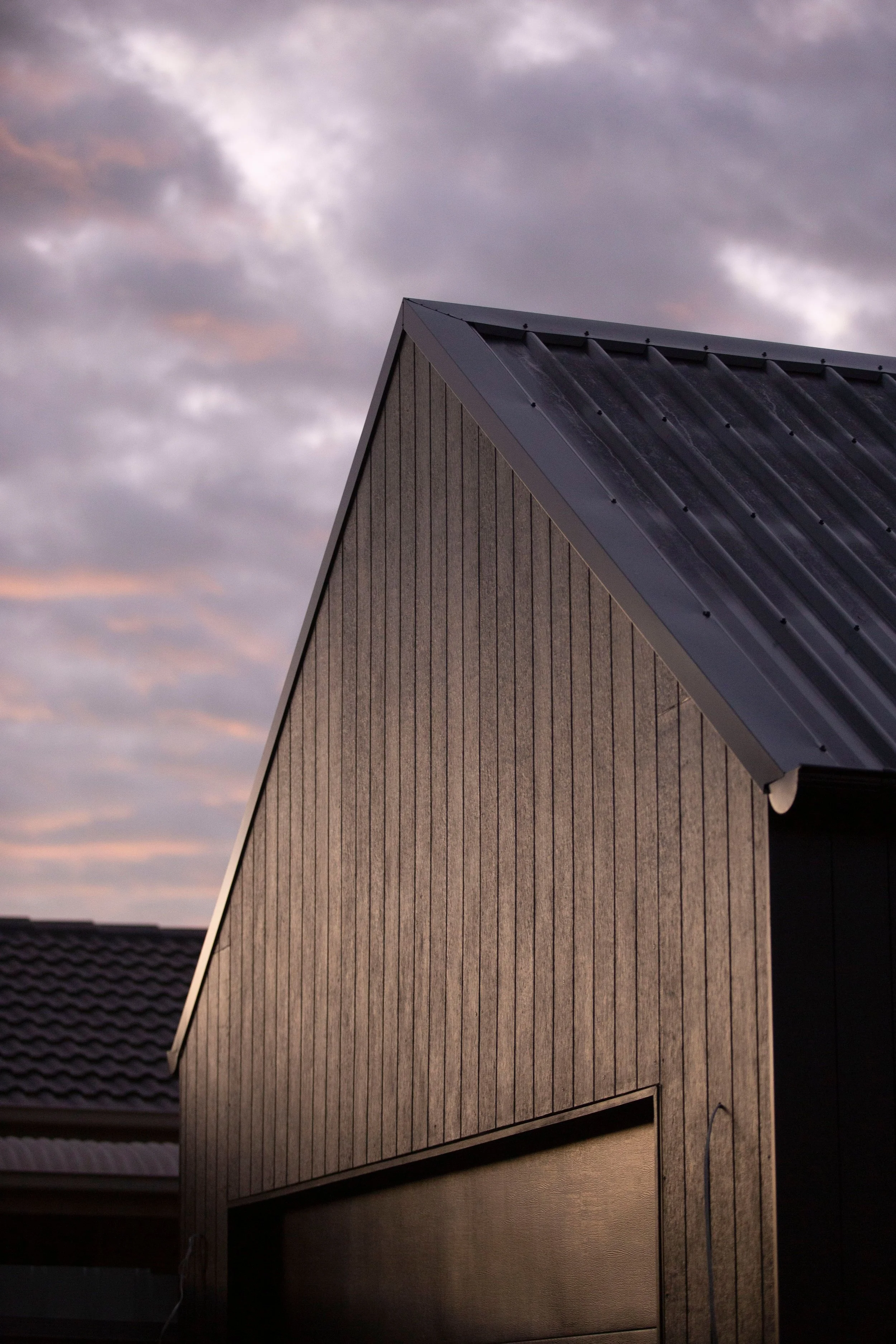
The secret? Buying a New Build.
Why Buy an Investment Property (And Why a New Build)?
Before we look at the numbers, it's worth asking: why go down this road at all?
For most everyday Kiwis, buying an investment property is about securing their financial future. It's about building an asset base that grows in value over the decades (capital growth) while eventually providing a stream of passive income to help fund a comfortable retirement.
But why are so many investors specifically pivoting to brand-new builds?
Lower Maintenance: No surprise weekend phone calls about a leaking 1970s roof or a blown hot water cylinder. Everything is brand new and covered by warranties.
Tenant Appeal: Renters love warm, dry, double-glazed homes that are cheap to heat. New builds often attract great tenants quickly.
The Deposit Exemption: To help solve New Zealand's housing shortage, the Reserve Bank explicitly exempts brand-new builds from their strict investor deposit rules. Because of this exemption, many mainstream banks are more than happy to lend to investors buying a new build with as little as a 10% deposit.
The Less Well Known New Build Bank Discounts
Not only do you get to bypass the massive deposit requirements of an older home, but buying a new build can also unlock some of the most powerful interest rate discounts on the market.
Because new builds are energy-efficient, fully compliant with modern Healthy Homes standards, and add fresh supply to the market, some major New Zealand banks offer special New Build mortgage packages.
While we can't name specific banks or promise exact rates in a general article, these special packages often involve heavily discounted interest rates and generous cash-back offers for the first two to three years of the loan. This can literally save you thousands of dollars in interest during those crucial early years while you are finding tenants and getting the property established.
Where Does the 10% Actually Come From?
This is where a lot of first-time investors get confused. When we say you need a 10% deposit, how are you actually paying for it? There are two main ways to fund this:
1. Leveraging Your Usable Equity (The "No Cash" Method)
This is how the vast majority of everyday "mum and dad" investors buy their next property. They don't actually have $80,000 sitting in a savings account. Instead, they use the equity in the home they already own.
How it works: Let's say you bought your family home a few years ago. Since then, you’ve paid down a chunk of your mortgage, and the value of your house has gone up. We can approach your bank and ask them to lend you the 10% deposit against the value of your family home. You then take that borrowed money and use it as the deposit for the new build investment property. You are effectively borrowing 100% of the purchase price of the new investment—but it is split into two loans, secured safely across both properties.
Try our Usable Equity Calculator here.
2. The Cash Deposit (Savings)
This is the traditional route. You have managed to save up 10% of the purchase price in cold, hard cash sitting in a bank account, term deposit, or liquidated shares.
A Crucial KiwiSaver Reality Check: If you were hoping to use your KiwiSaver to form this cash deposit, we need to pause here. Under government rules, KiwiSaver first-home withdrawals are strictly for homes you intend to live in yourself (Owner-Occupied). You cannot withdraw your KiwiSaver to buy an investment property.
The Golden Rule: The Servicing Reality Check
While getting a 10% deposit sorted (either via cash or equity) is an amazing milestone, it brings us to the ultimate reality check.
A 10% deposit means you are taking out a 90% loan on that new property. The rental income the property generates will almost certainly not cover the full cost of the mortgage repayments, council rates, and insurance at a 90% lending level. There will be a shortfall that you have to top up out of your own pocket.
Because of this, the bank will heavily "stress test" your personal income. They need to be absolutely certain that your regular salary from your day job can comfortably cover your own living costs, your current mortgage, and the cash shortfall on the new investment property, even if interest rates were to rise.
What Actually Makes a Good Investment Property?
Getting the finance approved is just step one. Step two is actually buying the right house!
When you are looking at new builds, it's easy to get distracted by shiny appliances, but a truly great investment property comes down to a few core fundamentals:
The Yield vs. Capital Growth Balance: Are you buying a high-yield property (lots of rental income to cover the mortgage) or a high-growth property (lower rent, but in a premium suburb that shoots up in value)?
Location Fundamentals: Is it close to public transport hubs, good school zones, or major employment centres like hospitals and business parks?
Tenant Durability: Does it have off-street parking? Is the outdoor space incredibly low-maintenance?
(We dive incredibly deep into this exact topic in our next guide: [Link: How to Spot a Winning Investment Property in NZ] - coming soon!)
Ready to Run Your Numbers?
The biggest mistake you can make is assuming you can't afford an investment property just because you don't have hundreds of thousands of dollars in a savings account.
If you own your own home and have a solid household income, you might already be holding the keys to your next property. Because every bank calculates your usable equity and rental income differently, a quick chat with our team is the fastest way to find out exactly what you can do.
Book a Free Investment Strategy Chat with the Home Loan Factory Team