Upgrading Your Home: How to Keep Your First House as a Rental Property
A quick heads-up before we dive in: This article is strictly for general informational purposes and does not constitute financial, legal, or tax advice. Every situation is entirely unique, and bank lending policies change frequently. Before making any decisions about your property journey, it is highly recommended that you seek independent advice from a qualified financial adviser.
For decades, the classic New Zealand real estate journey was simple: Buy a starter home, live in it for five years, sell it, and use the cash to upgrade to a bigger family home.
Today, savvy homeowners are using a potentially much more powerful wealth-building strategy known as the "Keep & Buy."
Instead of selling their first property, they convert it into a rental and use the "Usable Equity" trapped inside the walls to fund the 100% cash deposit for their new, upgraded home. By doing this, they successfully transition from a homeowner to a property investor, letting their tenants help pay down the debt while securing two assets that will grow in value over time.
Here is exactly how the bank views this strategy, the equity rules you need to pass, and a calculator to check your purchasing power today.
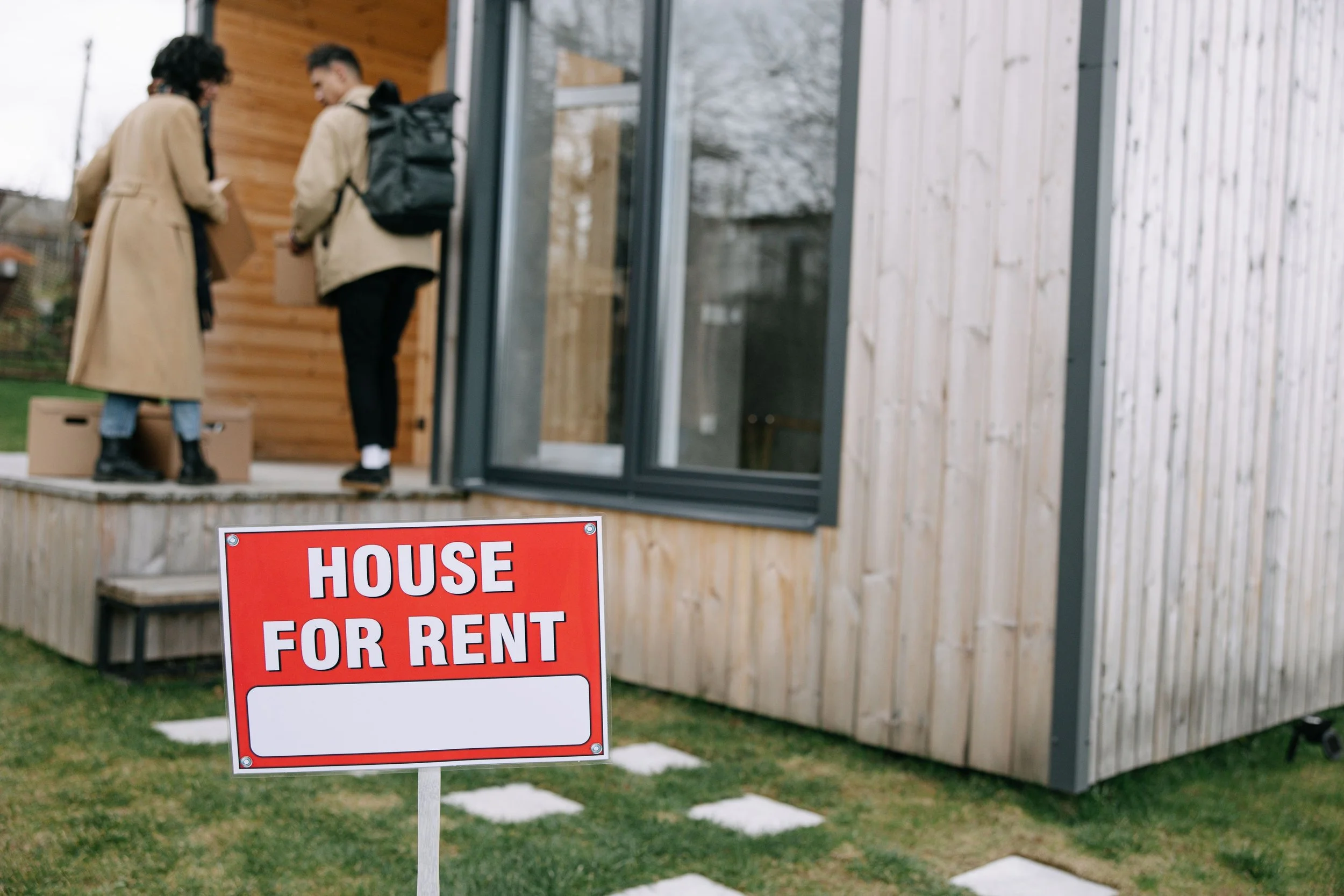
The 30% Rule: Converting Your Home to a Rental
When you decide to rent out your current home, the bank fundamentally changes how they view the property. It is no longer your primary residence; it is now an investment property.
Under standard New Zealand lending rules, banks require a strict 30% safety reserve (equity buffer) to be left in an investment property at all times. This means they will only allow you to borrow up to 70% of the property's current value.
Any equity sitting above that 30% reserve line is classified as Usable Equity. This is the cash you are allowed to extract and use as the deposit for your new family home.
Interactive Tool: The "Keep & Buy" Visualiser
Instead of doing the math on paper, use the tool below to see exactly how this strategy works.
Enter the current value of your home and your remaining mortgage balance. Watch how the bank "tops up" your loan, leaves the strict 30% reserve untouched, and physically releases your usable equity to fund your next property.
Note: You can toggle the 'Buying a New Build' switch to see how your purchasing power skyrockets if your upgraded family home is a new build (requiring only a 10% deposit instead of 20%).
The 4-Step Restructure Process
As demonstrated in the visualiser above, executing the Keep & Buy strategy follows a very clear, four-step process.
Step 1: The Valuation
First, we must prove to the bank exactly what your home is worth today. We will typically order an automated desktop valuation (AVM) or a full registered valuation to confirm your current Total Equity and establish that mandatory 30% safety reserve.
Step 2: Restructuring the Old Home (The Top-Up)
We ask the bank to increase (top up) the mortgage on your current home by an amount equal to your Usable Equity. The bank approves this increase and places that exact amount of liquid cash into a new account for you. Your old home is now officially an investment property.
Step 3: The Deposit Transfer
That newly released cash is now your deposit. You transfer it out of your account to act as the required deposit for your new family home (typically 20% for an existing home, or 10% for a new build).
Step 4: Securing the New Mortgage
Because you now have a massive cash deposit ready to go, the bank provides a completely separate, standalone mortgage secured directly against the new family home to cover the remaining purchase price.
The Tax & Rent Reality Check
Extracting the deposit is the easy part. The real hurdle is proving to the bank that you can afford to pay two mortgages at once.
The Good News: Rental Income Helps You don't have to carry the entire financial burden alone. Because your first home is now a rental, it generates weekly cash flow. When assessing your application, the bank will factor in this projected rental income (usually scaling it back by 20% to 30% to account for vacancies and maintenance) and add it to your personal salary, vastly improving your borrowing power.
The Tax Consideration If you are turning your primary home into a rental, you need to be aware of the tax implications. Because the home was previously your main residence, it may be exempt from the Bright-line test if you ever decide to sell, but the rules regarding interest deductibility and loan structuring can get complicated. We highly recommend having a good conversation with your accountant to ensure the new mortgages are set up in the most tax-efficient way possible.
Ready to Find Out Exactly What You Can Afford?
At Home Loan Factory, we run the exact internal servicing calculators the banks use. We can tell you down to the dollar what your true purchasing power is, structure the new loans to protect your assets, and guide you through the entire upgrade process.
Upgrading & Keeping Your Home
Can I use equity from my current home to buy another and rent the first one?
Yes. This is a common strategy known as leveraging. By restructuring your current mortgage, you can extract the "usable equity" from your first home and use it as the cash deposit to purchase your next primary residence, retaining the first property as a rental.
How much equity do I need to turn my house into a rental?
To convert your primary home into an investment property, standard NZ bank rules require you to leave a 30% equity buffer in the home. Your usable equity is the amount remaining after deducting both your current mortgage and that 30% reserve. You need enough usable equity to cover the required deposit for your new home (usually 20%).
Will the rental income cover my new mortgage?
The rental income generated from your first house is used to help service the debt on that specific property. While it rarely covers the cost of both mortgages entirely, banks will scale your projected rental income (typically taking 70% to 75% of the total) and add it to your personal salary to help you pass the mortgage servicing test for your new home.