The Private Cable Car Catch: Costs, Compliance, and Bank Rules
A quick heads-up before we dive in: This article is strictly for general informational purposes and does not constitute financial, legal, or tax advice. Every situation is entirely unique, and bank lending policies change frequently. Before making any decisions about your property journey, it is highly recommended that you seek independent advice from a qualified financial adviser.
In Wellington's steepest character suburbs, a private cable car is often the only alternative to a brutal 150-step walk-up. But while they are a spectacular way to arrive home, they come with astronomical costs and strict council compliance rules that can derail a mortgage application.
Here is the truth about buying a hillside house with mechanical access.
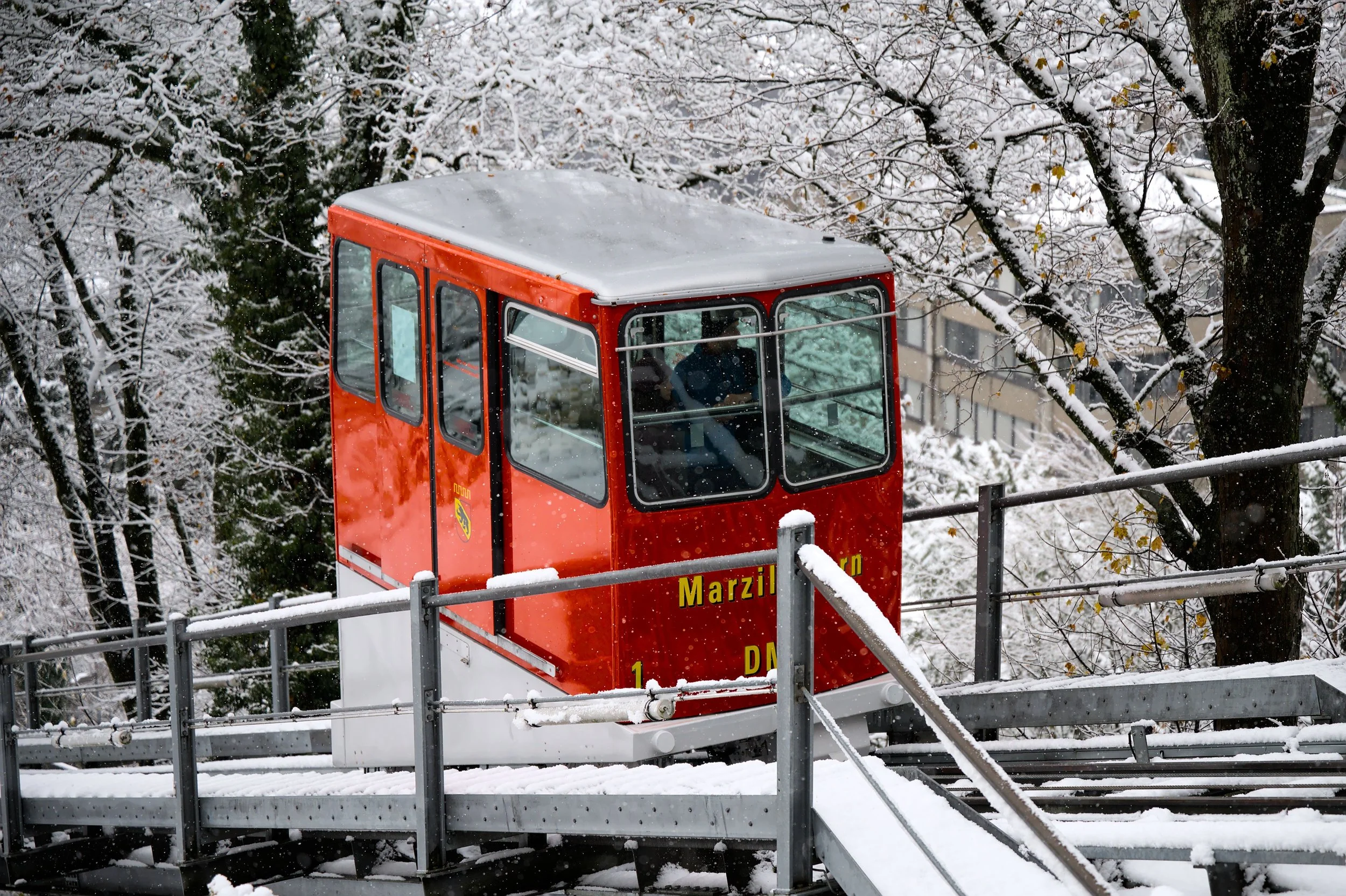
1. The Astronomical Costs
Owning a cable car is often more expensive than maintaining a regular car. If you are buying a property with an aging system that needs replacement, or one with deferred maintenance, you need to budget heavily.
Installation & Replacement: Installing a new system typically costs between $150,000 and $200,000, depending entirely on the terrain.
Structural Repairs: The tracks sit on heavy concrete foundations pinned into the hillside. If the bank slips or the concrete degrades, replacing just one of these foundations can cost between $30,000 and $40,000.
2. The Strict Maintenance & Compliance Rules
A cable car is not just a garden feature; under the New Zealand Building Act, it is classed as a "specified system".
The Building Warrant of Fitness (BWOF): You must renew the cable car's Building Warrant of Fitness every 12 months with the council. The annual check and the warrant itself generally set you back around $850.
The Servicing Schedule: You cannot just wait for it to break. Systems must be professionally checked and serviced every six months.
Council Consents: Any new line or significant structural change requires a Building Consent, and will often trigger the need for a Resource Consent and a Wellington City Council Encroachment Licence.
3. How It Affects Your Bank Lending
Banks are highly risk-averse when it comes to mechanical access. If the house relies on the cable car for reasonable access, the underwriters will scrutinise it heavily.
The BWOF Dealbreaker: If the vendor cannot provide a current, valid BWOF, the bank can refuse to lend. An uncertified cable car is a massive legal, safety, and insurance liability.
The Affordability Squeeze: When weapply for your loan at Home Loan Factory, the bank calculates your expenses as part of the calculations to see what you can afford. The bank may actively factor in the high ongoing maintenance and BWOF costs, which can effectively reduce the total mortgage amount they are willing to offer you. More money going towards maintenance = less money available to go towards your mortgage.
The "Shared" Cable Car Dispute: Many private cable cars in Wellington are shared between neighbours to split the massive installation costs. If the cable car is shared, the bank will demand to see the legal agreement (usually registered on the property title) dictating how maintenance costs are split. If your neighbour refuses to pay for repairs, the bank wants to ensure you won't be left stranded with a broken liability.
Targeting a hillside property? Let’s review the paperwork together.