
A quick heads-up: The information in this article is designed as a general educational guide only and does not constitute personalised financial, tax, or legal advice. Because everyone's situation is unique (and bank policies change frequently), we recommend speaking with a licensed Financial Adviser to see how this applies to your specific circumstances. For full transparency on our terms of service, how we are remunerated by lenders, and any specific situations where a fee may apply, please read How We Get Paid.
You usually expect a financial adviser to project this image that they have never made a bad money move in their life. But between you and me, I have made a few! Often it's the best way to learn. One of the most educational ones involved a Nissan Cube back in my early twenties, before I became the personal finance nerd I am today.
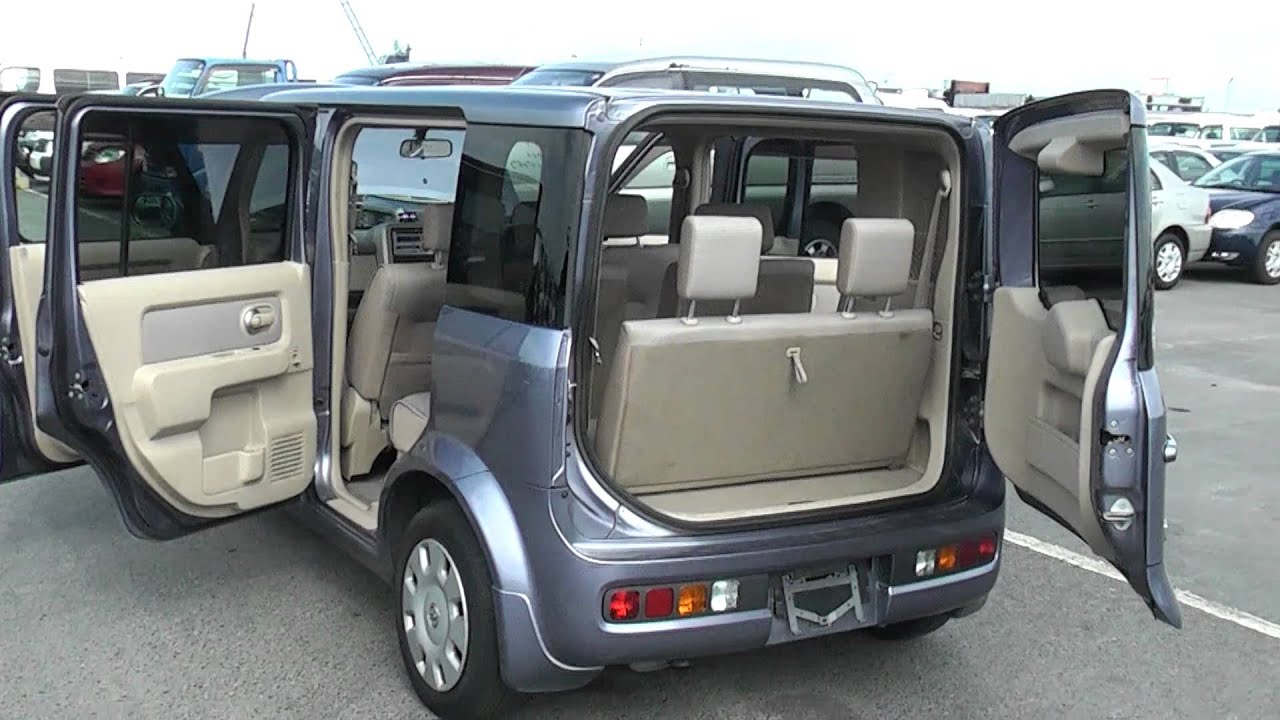
I should probably preface this by saying I am not really a car guy. To me, buying a car is exactly like buying a dishwasher—it is purely practical, and absolutely nothing to get excited about. So, while I know the Cube is usually a bit of a joke, I genuinely loved that car. Because it is literally a box on wheels, the square shape meant you could fit a ridiculous amount of stuff in it. It had seven seats, and best of all, the seats folded completely flat into a bed. It was a masterpiece of quirky Japanese engineering.
The car itself was great. The dealer finance I used to buy it, however, was a total nightmare.
It all came to a head because I was going through a messy breakup at the time. Money was suddenly incredibly tight, and instead of a clean split, this car loan became just another massive headache we had to fight over and sort out between us in the great division of assets and liabilities. I thought, 'No worries, I will just sell the thing, clear the debt, and move on.'
That is when the brutal reality of dealer finance actually hit me.
Here are the three expensive lessons I learnt the hard way, and why I now tell my clients to tread very carefully around the car yard.
1. The Negative Equity Trap Happens Instantly
Cars drop in value the second you drive them off the lot, but dealer finance does not drop to match it. The value of the Cube plummeted way faster than my actual loan balance did.
When I needed to sell it to free up cash and cut ties, I couldn't. I owed more on the car than it was worth on the open market. I couldn't afford to keep paying for it, and I couldn't afford to sell it. I was completely trapped.
2. Early Repayment is a Stitch-Up
You always hear people say, 'I will just take the loan to get the car today and pay it off early.' With a lot of these dealer loans, this can be more expensive than at first glance.
My loan had capitalised interest, meaning they front-loaded the costs (expected interest over the term of the loan is added to the balance on day 1). By the time you try to clear the debt early, you have already paid the bulk of the profit they wanted to extract from you. Add in the thousands of dollars in hidden fees and near-useless junk insurance they tacked onto the total, and I was bleeding money with absolutely no benefit to paying it down faster.
3. The Dealer Finance Issue
This is the part that makes my blood boil now that I work in the financial industry. Here is the secret about car yards: a lot of them make a large percentage of their profit from the finance agreement as opposed to the actual selling of the car itself. It is not that they won't let you buy the car if you have cash, but some dealers will absolutely insist that you use their financing, and this is currently fully legal too, as long as they tell you up front. They won't let you go to your own bank or arrange an outside car loan simply because the commission on their financing is where a good chunk of their money is made.
As a registered financial adviser, my legal duty under the FMA is to look at your entire financial life. I have to ensure that any lending actually aligns with your long-term goals, like buying a house. But the guy on the car yard? His only job is to massage the numbers just enough to pass the bare minimum affordability check so you can drive off the lot today. He doesn't care if that $600-a-month payment completely torpedoes your chances of getting a mortgage six months from now, because looking out for your future isn't his job. Selling metal is.
So, How Did It End?
What was my grand solution to all of this? Honestly, I didn't have a clever one. I just had to suck it up and keep making those payments for another 18 months until it was finally paid off.
That was 18 months of my early twenties where a huge chunk of my income was tied up—money I could have used to travel, save for a deposit, or just actually enjoy life instead of stressing about a box on wheels.
What I Should Have Done
If I could go back and give my younger self one piece of advice, it would be this: buy a cheaper car in cash. Even if it means catching the bus or cycling for another six months to save up for a cheap runabout, do it. The freedom of owning a car outright beats the stress of a dealer loan every single time.
The Silent Mortgage Killer
The other major issue with car loans is the short-term cash flow chokehold. It is not just the high interest rate; it is the short term of the loan that ties up all your free cash every single month.
When you apply for a home loan, bank servicing tests look strictly at your monthly uncommitted income. A $600-a-month car payment does not just mean you have $600 less to spend in Wellington on the weekends. In the eyes of the bank, that single car payment can instantly wipe $70,000 to $90,000 off your total mortgage borrowing power.
Here is the kicker that catches most people out: paying down your car loan early does not actually help your mortgage application. If you owe $15,000 and you throw a $10,000 lump sum at it, your borrowing power does not improve by a single cent. Why? Because unless you pay it off in full, your contractual $600 monthly payment stays exactly the same. The bank only cares about your fixed regular outgoings, not the total balance of the car.
The $70k Mistake I See All the Time
I see this happen a lot, and it is always a tough conversation to have. Just recently, I had a client who had done everything right. They had their deposit saved, their KiwiSaver was ready to go, and they were perfectly positioned to buy their first home.
But right before we went to the bank for pre-approval, they decided to upgrade their vehicle and financed a $70,000 car (unfortunately, I wasn't in the loop on this until after the fact).
They just didn't realise that this new loan would tie up so much of their monthly income, which drastically reduced their borrowing capacity. They went from being able to comfortably afford a great house to falling well short of the mortgage size they needed. Because they signed that finance agreement, they have had to put their homeownership plans on hold and keep renting. It wasn't that they were being reckless; they just didn't know how harshly the banks treat that monthly payment.
Some Solutions If This Sounds Familiar To You
If you are stuck in a similar trap and you already own a home, we can sometimes look at debt consolidation—rolling that high-interest car loan into your mortgage to instantly free up your monthly cash flow. The golden rule here is we don't want to make a short term loan a long term loan, otherwise you end up paying for that car three times over in interest across a 30 year loan term.
Want to see exactly how much your current car loan is eating into your home buying budget? Run your numbers through our Borrowing Power Calculator, or book a quick chat to see how we can restructure things before you go to the bank.