
A quick heads-up: The information in this article is designed as a general educational guide only and does not constitute personalised financial, tax, or legal advice. Because everyone's situation is unique (and bank policies change frequently), we recommend speaking with a licensed Financial Adviser to see how this applies to your specific circumstances. For full transparency on our terms of service, how we are remunerated by lenders, and any specific situations where a fee may apply, please read How We Get Paid.
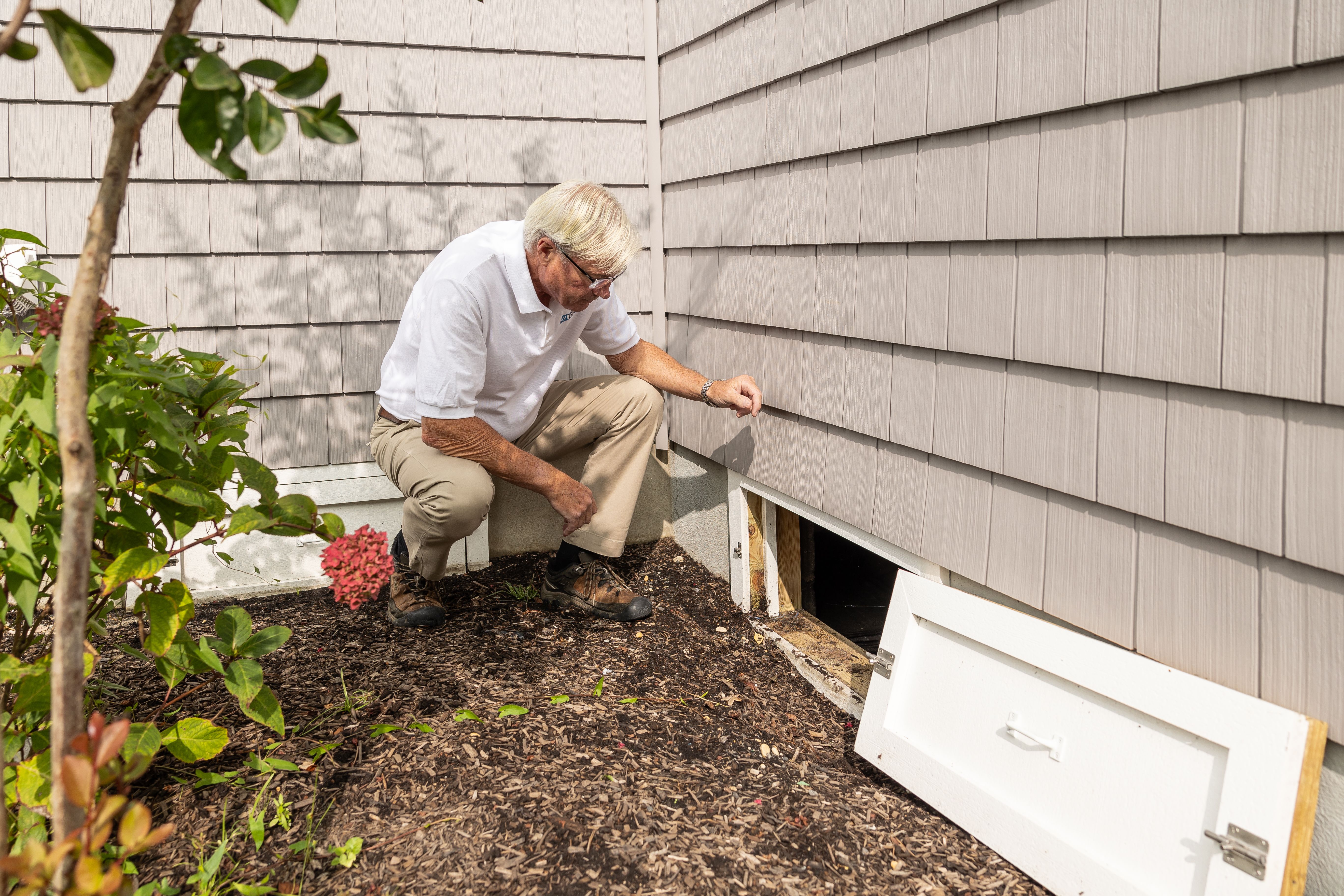
You have found the right place, your deposit is lined up, and you can practically smell the fresh paint. But before you lock in a contract, there is one step that can save you thousands of dollars: getting a Builder's Report (a pre-purchase building inspection).
Unlike a registered valuation (which tells the bank what the property is worth on paper), a builder's report tells you how the home was actually put together—and whether there are expensive surprises hiding behind the Gib.
Here is a plain-English guide to what a builder's report covers, what it costs, and how to use it strategically during negotiations.
Do You Actually Need One?
If you are buying with a lower deposit (such as 10% or 15%), the bank will almost always require a Registered Valuation. However, lenders do not automatically demand a builder's report for every standard purchase.
With that said, there are several situations where a bank credit underwriter will insist on one before approving your mortgage:
- Weathertightness Risk: If the dwelling was constructed between roughly 1990 and 2004 using monolithic (plaster) cladding systems without a cavity system, the bank will scrutinise it closely.
- Valuer Flags: If the registered valuer completes an inspection and notes significant deferred maintenance—such as foundation movement, borer, or an aging roof—they will highlight it in their valuation. The bank will often pause approval until a qualified builder investigates.
- Classic Character Homes: Wellington is famous for character villas and 1920s bungalows. While full of charm, older homes can hide historical wiring issues (like old rubber or lead-sheathed cabling) or repiling requirements.
- Contractual Conditions: If your formal bank approval is issued subject to the bank sighting and approving a satisfactory building report, the lender will need to review the findings before going unconditional.
Even when a lender doesn't require one, commissioning an inspection is cheap insurance against buying an unexpected money pit.
What Does a Builder's Report Cost?
In New Zealand, the purchaser typically pays for the inspection. Because you are footing the bill, you choose the inspector you trust.
Costs vary based on the age, size, and complexity of the property:
- Standard Homes (up to roughly 200m²): Typically $500 to $800 for a comprehensive written inspection.
- Large or Character Properties (over 250m²): For larger multi-level homes or older villas requiring subfloor crawling, expect $800 to $1,200.
- Specialist Weathertightness Testing: If a plaster home requires non-invasive or targeted moisture profiling, this typically adds $400 to $800.
While $600 to $800 feels like another annoying expense when you are watching every dollar, discovering $25,000 of foundation decay or roof rust before you go unconditional is the best return on investment you will ever make.
How to Choose the Right Inspector
Never rely on a casual walk-through with a mate who "knows a bit about building." For a legally robust report that protects your position, look for an inspector who checks these boxes:
- Recognised Credentials: Choose a Licensed Building Practitioner (LBP), or an accredited member of the New Zealand Institute of Building Inspectors (NZIBI) or the Building Officials Institute of New Zealand (BOINZ).
- Compliant with NZ Standards: Ensure their written report confirms compliance with NZS 4306:2005 (the New Zealand Standard for residential property inspections).
- Comprehensive Insurance: Confirm they carry current Professional Indemnity Insurance.
- Written Photographic Documentation: A casual phone call isn't enough. You need an itemised written document with high-resolution photos that your solicitor can rely on if you need to negotiate.
A Practical Tip: Attend the Tail End of the Inspection
Here is a helpful insider habit: ask if you can meet the inspector on-site for the final 20 to 30 minutes of their inspection.
Using the Report During Negotiations
A builder's report is not just a risk check; it is a practical negotiation tool. Under the standard ADLS Sale and Purchase Agreement, a properly drafted building report condition allows your solicitor to raise issues constructively.
If the inspection reveals unexpected defects, you generally have three options:
1. Request a Price Reduction
If the inspector discovers the home requires an unexpected $12,000 switchboard upgrade and rewiring to meet modern safety standards, your solicitor can approach the vendor's legal team to request a corresponding reduction in the purchase price so you can complete the work post-settlement.
2. Request Vendor Remediation
You can request that the seller contractually agree to rectify specific defects—using qualified, registered tradespeople and providing invoices/council sign-offs—prior to settlement day.
3. Exercise Your Condition and Exit
If the inspection uncovers critical structural failure or widespread moisture ingress, your building condition gives you the legal right to cancel the agreement and have your deposit returned in full. (Always ensure your conveyancing solicitor reviews the specific wording of your condition and confirms notice periods before taking action).
The Mortgage Trap: Handling the Report with Lenders
Here is a crucial tip that catches buyers out: talk to your mortgage adviser before forwarding an unsolicited builder's report directly to your bank.
At Home Loan Factory, we coordinate closely with you and your solicitor. We make sure your contractual timelines allow plenty of time for inspections, while ensuring your finance approval progresses cleanly to unconditional sign-off.


