
A quick heads-up: The information in this article is designed as a general educational guide only and does not constitute personalised financial, tax, or legal advice. Because everyone's situation is unique (and bank policies change frequently), we recommend speaking with a licensed Financial Adviser to see how this applies to your specific circumstances. For full transparency on our terms of service, how we are remunerated by lenders, and any specific situations where a fee may apply, please read How We Get Paid.
Getting an urgent email from your solicitor containing the words "defective title" is enough to make any first-home buyer’s stomach drop straight through the floor.
If you are shopping for an affordable 1970s or 1980s unit in New Zealand, the chances are exceptionally high that you are looking at a cross-lease property. And because Kiwis love a bit of rogue weekend DIY, an awful lot of these homes come with a cheeky legal hiccup: a physical building that does not match the original drawing on the title (known as the Flats Plan).
Before you panic and pull the pin, take a breath. When a lawyer says a title is "defective," they do not mean the house is structurally unsound or about to slide down a Wellington gully. It simply means the paperwork at Land Information New Zealand (LINZ) doesn't match the physical footprint of the buildings on the dirt.
It is a paperwork mismatch, not a structural disaster. Here is how these defects happen, how to spot them in two minutes at an open home, and how we get them sorted so your bank approval goes through without a hitch.
The Two-Minute Bird's-Eye View Test
You don’t need a law degree to spot a potential title defect; you just need your eyes and the property flyer at the open home.
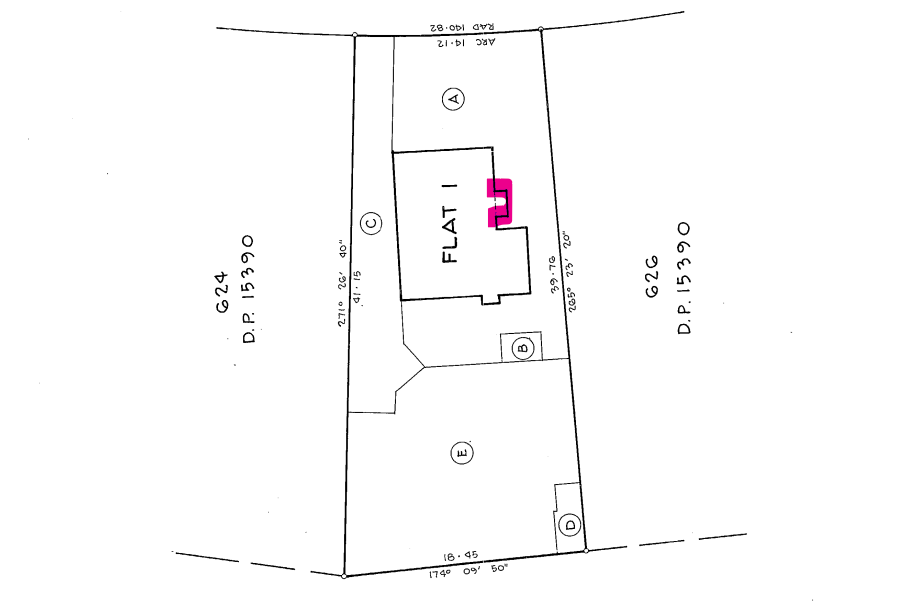
Ask the real estate agent for a copy of the Record of Title and flick to the back page. You will see the Flats Plan—an aerial outline drawing of the buildings on the site. Trace the outline of the house with your finger.
If your finger traces a simple rectangle on the paper, but you are physically standing inside a sun-drenched, glass-enclosed conservatory sticking out into the backyard, congratulations: you’ve just spotted a footprint mismatch.
Interactive Tool: The Cross-Lease Structure Troubleshooter
Spot a mismatch between the paper and the house? Don't stress just yet. Use our quick troubleshooter below to figure out what kind of alteration you're dealing with, whether it's an easy fix with neighbourly sign-off, or something that needs a formal title update.
First: Check for the Faded Plan False Alarm
Solicitors often flag a title as potentially defective simply because an old, low-resolution scanned title plan from 1978 is blurry, making it look like a carport or deck was never drawn in.
Frequently, this turns out to be a complete false alarm. If you or the vendor request the original building consent records from the local council, you will often find the structure was fully permitted, inspected, and signed off from day one. What looked like a rogue addition was completely above board all along. Always check the council property file before assuming the worst.
Is a Defective Cross-Lease Actually a Dealbreaker?
In the vast majority of cases? Not at all. It is a very common scenario that mortgage advisers and bank credit teams navigate every single week.
Clever Ways to Sort It Out (Without Waiting Six Months)
First-home buyers often assume that fixing a defective title requires the vendor to hire a surveyor, spend $15,000, and wait three months for LINZ to issue a newly deposited plan. While that is the textbook fix, real-world property deals often move much faster using these workarounds:
1. The Title Requisition Clause (Your Secret Weapon)
2. The Neighbourly Deed of Consent
For non-enclosed additions like decks or minor alterations, a simple, formal written consent signed by the other cross-lease owner is often all the bank's legal team needs to see. Once the neighbour legally signs off that they have no objection to the structure, the bank's resale risk effectively disappears, and they will generally approve the lending.
3. The Unscrew the Door Trick
Kiwis love converting open carports into enclosed garages by slapping a roller door on the front. Because an enclosed garage alters the structural definition on the Flats Plan, this technically triggers a defect.
The practical fix? Vendors have been known to literally unscrew and remove the garage door before settlement. By reverting the structure back into an open-air carport, it instantly matches the original Flats Plan again. (Just ensure your conveyancing solicitor confirms the exact wording of your cross-lease covenants before anyone reaches for a screwdriver!)
How It Impacts Your Mortgage Approval
Banks look at cross-lease quirks through a single lens: resale risk. If the bank ever had to step in and sell the property, could a hostile neighbour create an expensive legal headache?
When we submit your finance application, we make sure your Sale and Purchase Agreement includes robust solicitor approval and finance conditions. This legally obligates the vendor to resolve the paperwork—or get that retrospective neighbour consent—before settlement day rolls around.
The Buyer's Takeaway
If you walk through an open home and notice an addition that isn't on the Flats Plan, don’t run away. Use it to your advantage.
A minor title mismatch often scares off inexperienced buyers, meaning less competition for you. With an experienced mortgage adviser and a sharp conveyancing lawyer in your corner, you can use the paperwork to negotiate a better deal—letting the seller do all the running around to fix the title while you secure the property safely.
A Note on Legal Title: While Home Loan Factory manages your mortgage strategy and packages the application to satisfy bank credit policies, the legal interpretation of title covenants, cross-leases, and requisitions must always be formally reviewed and signed off by your registered conveyancing solicitor.
Found a place you love but worried the Flats Plan doesn't match the house? Send us the listing and title, and let's take a look together.


